
Optimal Tree Trimming Timing Guide
Tree trimmings are an essential part of maintaining healthy and aesthetically pleasing trees. Proper timing ensures optimal growth, safety, and disease prevention. Understanding the best times to trim can help maximize tree health and appearance.
Ideal for shaping and removing dead or damaged branches before active growth begins.
Used for thinning and controlling growth during the peak growing season.
Suitable for cleaning up fallen branches and preparing trees for winter dormancy.
Best for structural pruning when trees are dormant, reducing stress and disease risk.
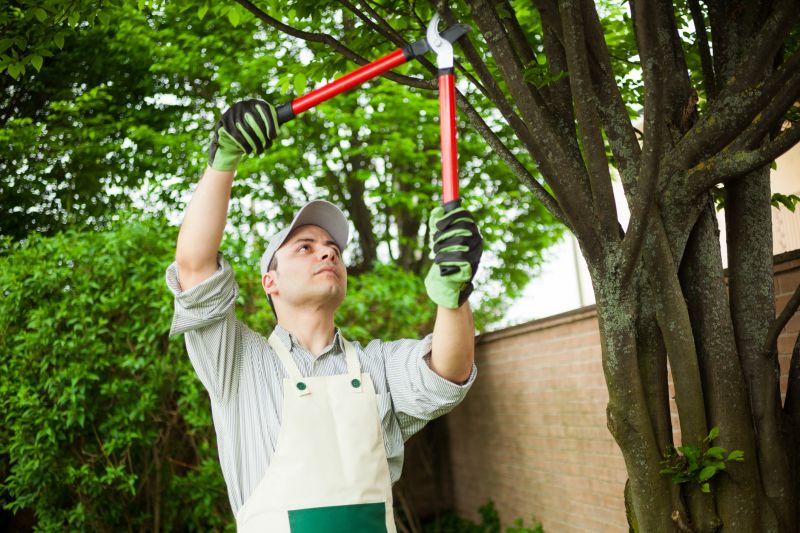
Pruning before the growth season promotes healthy development.
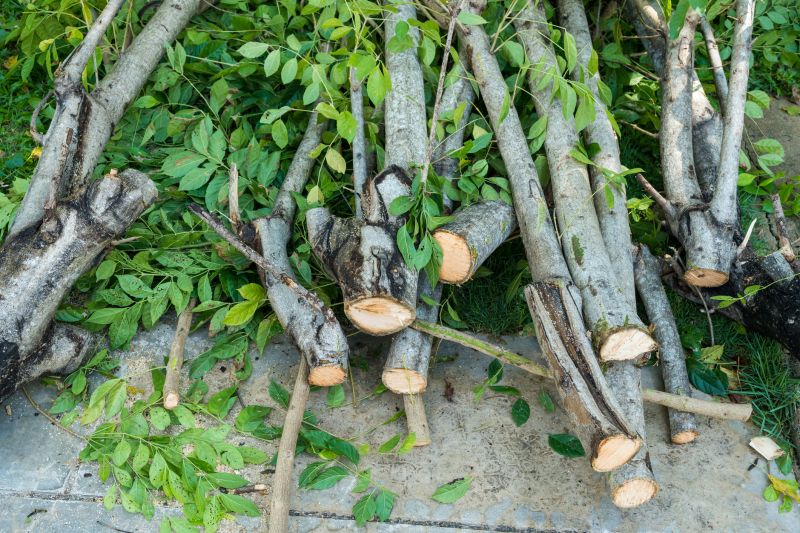
Controlling growth during warmer months supports tree health.
Dormant season pruning reduces stress and disease risk.
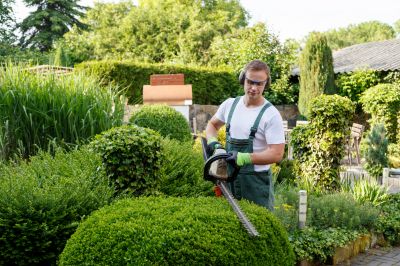
Ways to make Tree Trimmings work in tight or awkward layouts.
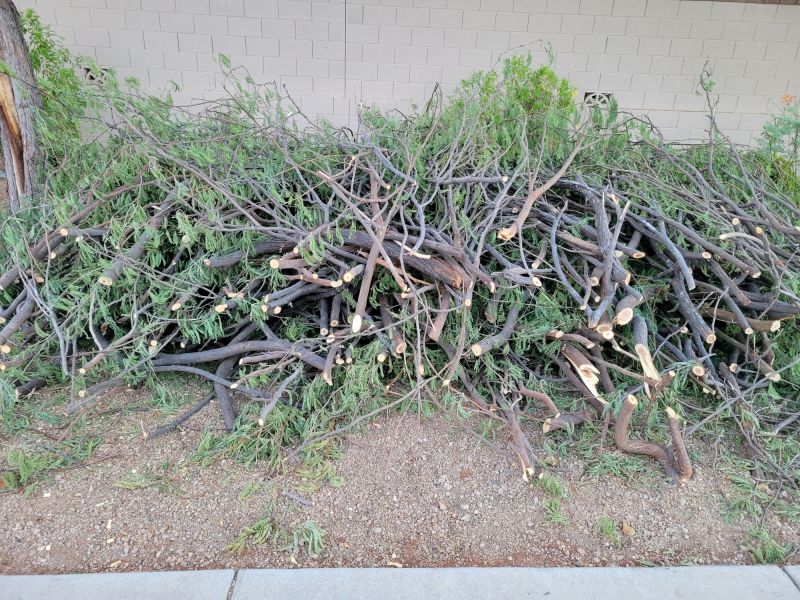
Popular materials for Tree Trimmings and why they hold up over time.
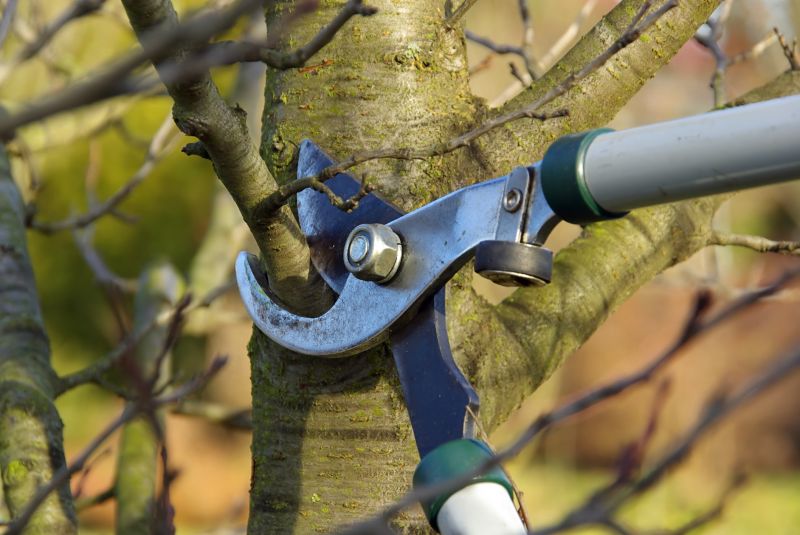
Simple add-ons that improve Tree Trimmings without blowing the budget.
| Season | Best Practices |
|---|---|
| Spring | Prune to shape trees and remove dead branches before active growth. |
| Summer | Thin out dense areas and control size during peak growth. |
| Fall | Clean up fallen branches and prepare trees for winter. |
| Winter | Perform structural pruning while trees are dormant. |
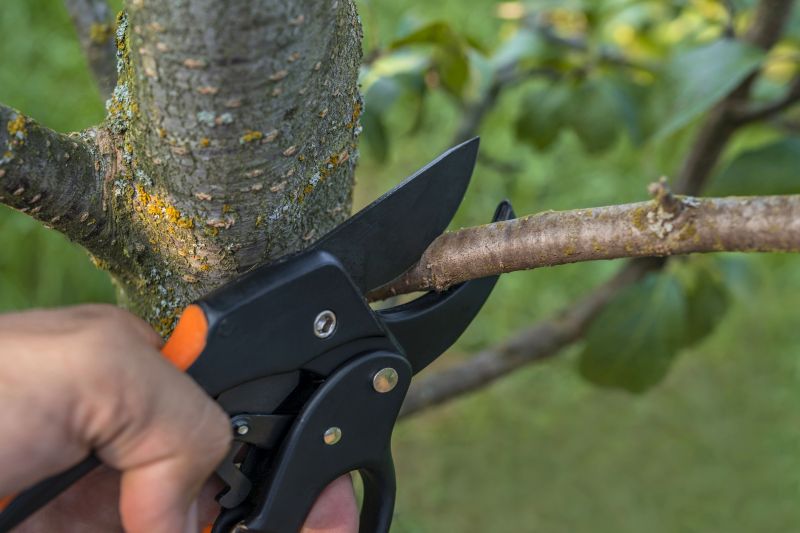
Proper timing enhances growth and health.
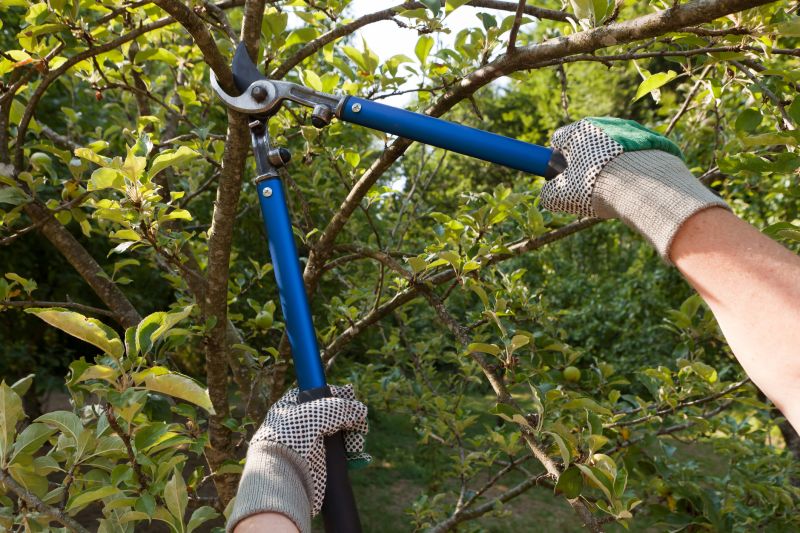
Using the right tools ensures effective trimming.
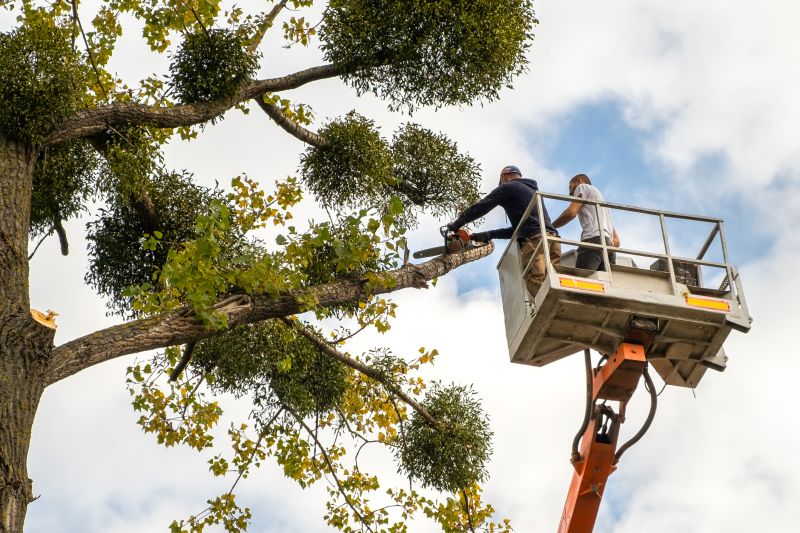
Regular trimmings prevent disease and decay.
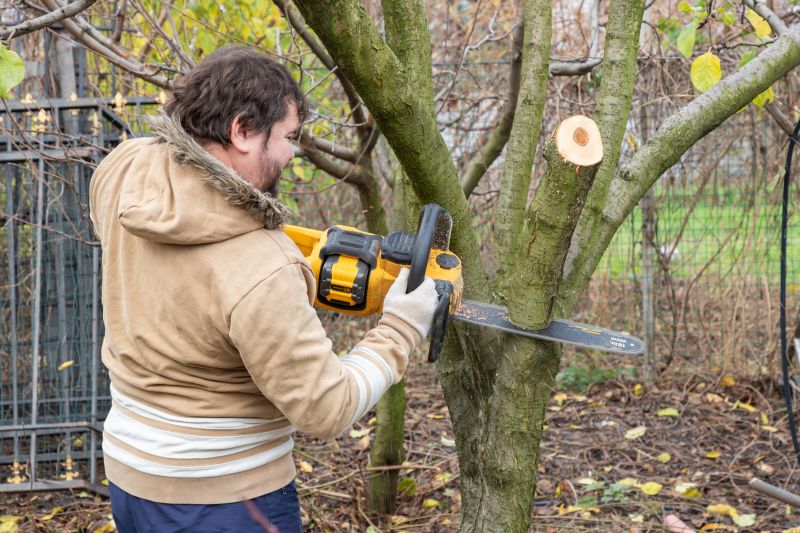
Adjust trimming practices based on the season.
If interested in scheduling tree trimmings or learning more about the best practices for your property, filling out the contact form can provide personalized assistance. Proper timing and technique are crucial for maintaining healthy, attractive trees throughout the year.